
UB Nursing expands mobile vaccine initiative across WNY |
The Mobile Vaccine Initiative, or M-VAX, is operating for a second consecutive year in partnership with Buffalo Public Schools |
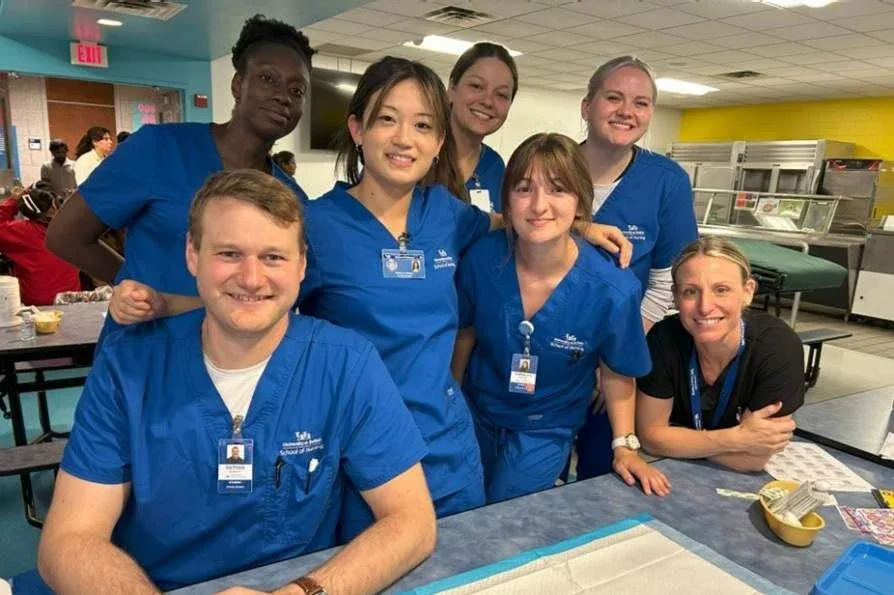
For Buffalo parents juggling work, transportation and school schedules, keeping up with childhood vaccinations can mean more than booking an appointment.
A missed shot can put a child’s school attendance at risk, turning an ordinary health task into an urgent family problem.
That is the challenge behind University at Buffalo M-VAX, a mobile program bringing school-required vaccines closer to families across Western New York.
Run by the university’s School of Nursing with Buffalo Public Schools, the initiative places mobile vaccination clinics at schools and other community locations.
The approach recognizes a simple reality: access is not just about whether vaccines exist, but whether families can reach them.
Transportation difficulties, scarce appointments and long waits can complicate care, particularly when a child needs a vaccine to stay in class.
In Erie County, a decline in providers participating in the federally funded Vaccines for Children program has added to concerns about convenient access for eligible families.
A $167,000 grant supports M-VAX’s expansion as the program continues its work with local schools for a second year.
At its first clinic, held at Lafayette School, 90 children received a total of 192 vaccines.
Organizers plan to bring clinical teams to libraries, recreation centers, churches and other gathering places in urban and rural communities.
Moving care into familiar spaces could make the difference between a missed appointment and a child ready for school.
The initiative aims to reach 1,500 children during its current funding cycle and reduce vaccination-related school exclusions to 5% by September 2027.
It also seeks to raise early childhood vaccine compliance above 75% within a year.
Those are ambitious goals, and families facing the steepest barriers will need dependable access for the effort to matter.
Nursing students work alongside faculty and community partners, gaining practical experience while helping deliver care beyond traditional clinic walls.
Parents, educators, faith leaders and public health professionals also help guide outreach, giving the program a stronger connection to the communities it serves.
For Buffalo families, the most meaningful measure will be straightforward: fewer hurdles between their children and the classroom. |
0 Comments
Join the conversation
Be the first to comment
Share your thoughts above.