
State budget gaps shrink in mid-year update |
A smaller New York budget gap improves the New York fiscal outlook |
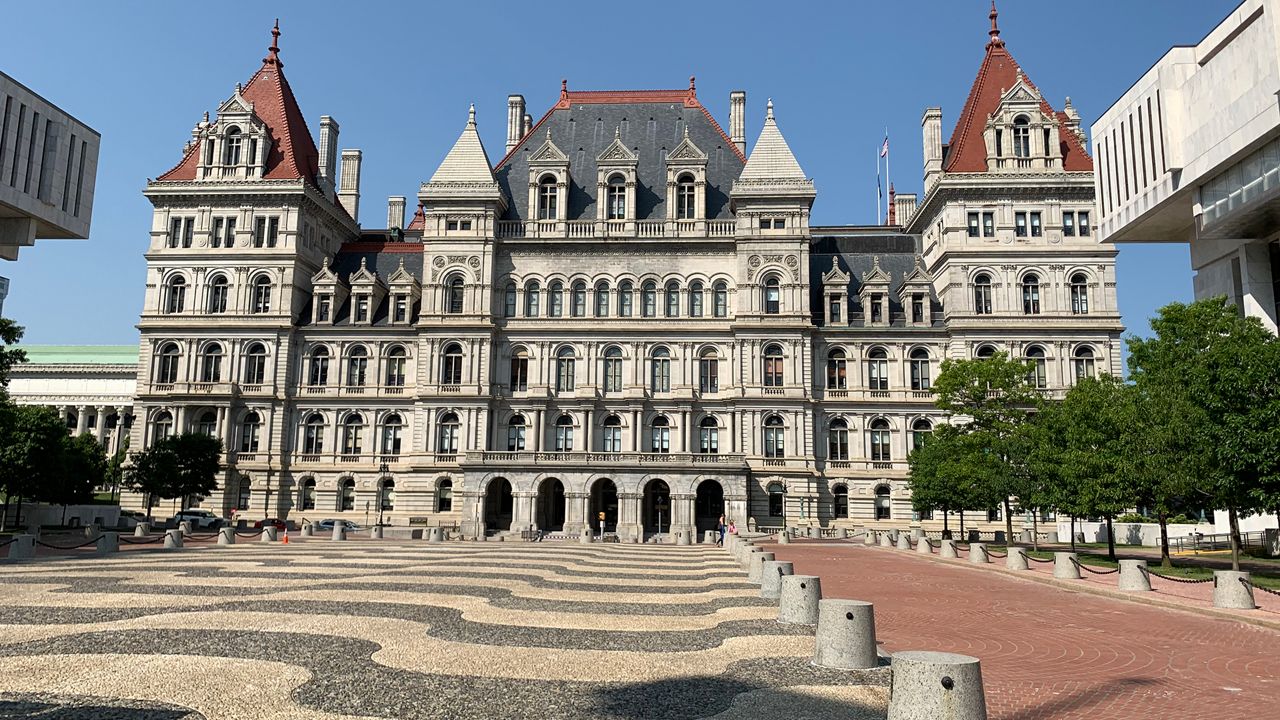
For Buffalo households watching every dollar, an improved New York state budget forecast offers relief, but not cheaper groceries or rent.
State officials now project an $8.9 billion budget gap over three years, down from an earlier $14.7 billion estimate.
Stronger tax collections and a healthy financial sector helped narrow the shortfall and left the state with a surplus.
Still, a smaller gap is not the same as a balanced budget, particularly when economic conditions can change quickly.
That distinction matters in Buffalo and Erie County, where state decisions influence schools, transit, housing programs and health care.
More fiscal breathing room could protect those priorities, though it does not guarantee new funding for any local project.
The New York budget gap projected for next year has also fallen, from $6.4 billion to $2.9 billion.
Budget officials nevertheless favor building reserves and paying debt ahead of making fresh spending commitments.
That caution may frustrate residents facing stubborn household costs, especially as winter utility bills approach.
It also sets up a familiar argument: Should Albany save unexpected revenue or use it to ease immediate pressure?
Gov. Kathy Hochul has emphasized affordability measures, including tax relief and efforts to address utility costs.
Her Republican challenger, Bruce Blakeman, argues that the state should cut taxes and rein in spending.
For Western New Yorkers, the useful test is whether either approach makes daily life more affordable without weakening services.
The improved New York fiscal outlook gives the next budget debate more room to maneuver, not a blank check.
Financial-sector strength has helped revenue, but reliance on that strength also leaves projections exposed to a downturn.
Officials have urged agencies to keep funding requests flat, underscoring how quickly today’s cushion could shrink.
Buffalo families should watch what happens next to school aid, transportation support and programs serving vulnerable neighbors.
Those choices will show whether the improved forecast reaches communities beyond the state’s financial centers.
For now, the budget news is welcome, while the affordability squeeze remains painfully real. |
0 Comments
Join the conversation
Be the first to comment
Share your thoughts above.