
Why Do People in the Midwest Sound Like Buffalonians? Blame It on the Erie Canal |
The Erie Canal's Bicentennial Highlights Its Lingering Impact on Regional Accents |
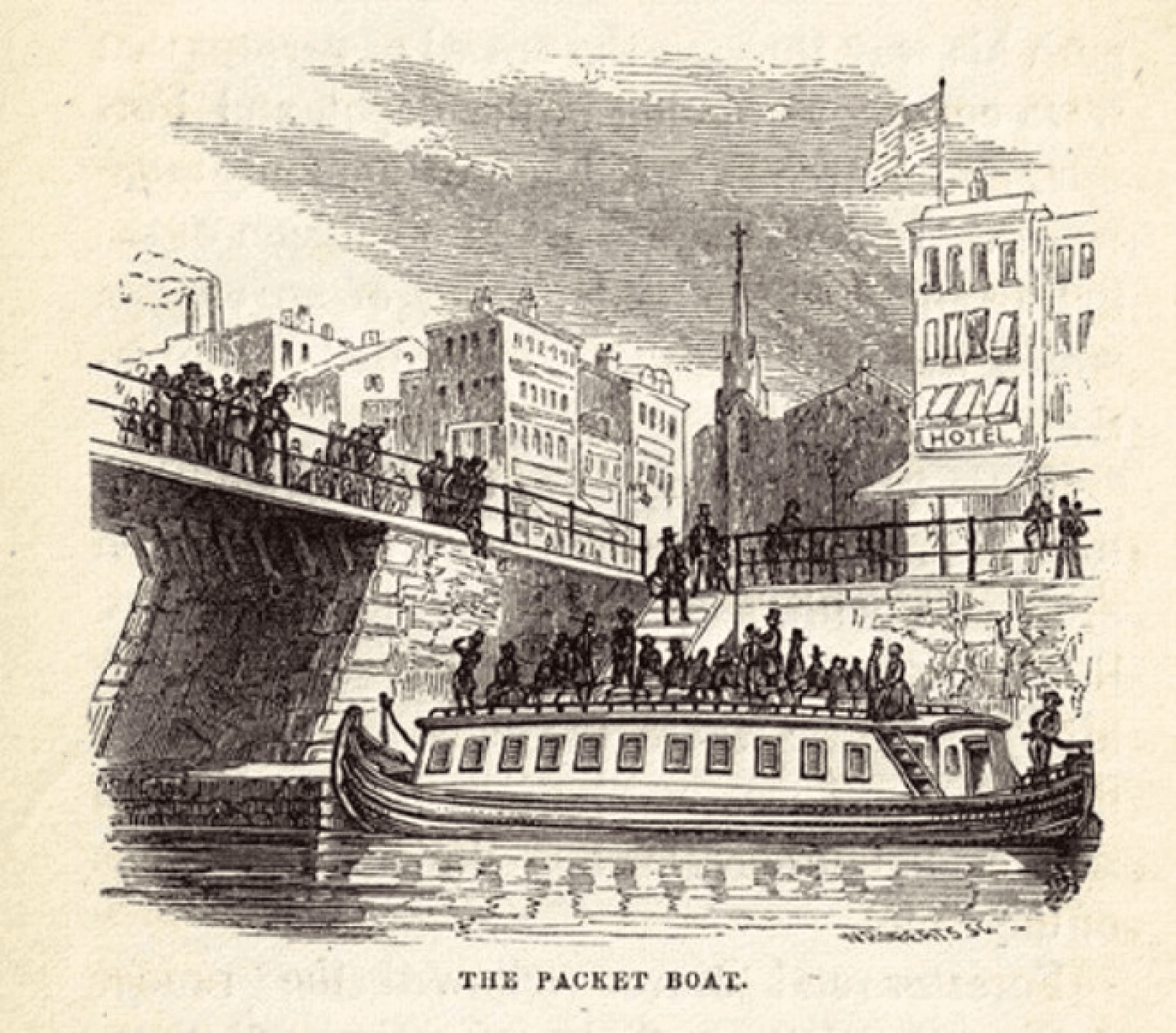
The Erie Canal, an engineering marvel of the 19th century, is renowned for transforming commerce and settlement patterns across New York and the Midwest.
As we commemorate its 200th anniversary, it's intriguing to explore how this historic waterway has also left a lasting imprint on regional speech patterns.
In 1825, the canal opened, connecting Buffalo to New York City and facilitating the migration of settlers westward.
These pioneers carried with them not only their belongings but also their distinctive accents.
Linguists identify this speech pattern as the Inland North accent, characterized by features like flat 'a's and broad 'o's.
This accent is prevalent among white speakers from Syracuse to Wisconsin and even Minnesota, mirroring the migration routes established by the Erie Canal.
Recent events have brought renewed attention to this phenomenon.
In September 2025, Buffalo hosted the World Canals Conference, drawing international experts to discuss the canal's enduring legacy.
During the conference, a replica of the original Seneca Chief boat embarked on a journey from Buffalo to New York City, retracing Governor DeWitt Clinton's inaugural voyage.
This voyage not only celebrated the canal's history but also highlighted its role in shaping cultural and linguistic landscapes.
Understanding the Erie Canal's influence on regional accents offers a fascinating glimpse into how infrastructure projects can have far-reaching effects beyond their immediate economic and physical impacts.
As we reflect on two centuries of the Erie Canal, it's clear that its legacy resonates in the voices of those living along its historic path. |
0 Comments
Join the conversation
Be the first to comment
Share your thoughts above.