
Buffalo Faces Surge in Immigration Arrests Amid Intensified Enforcement |
Local Communities Grapple with the Impact of Increased Detentions |
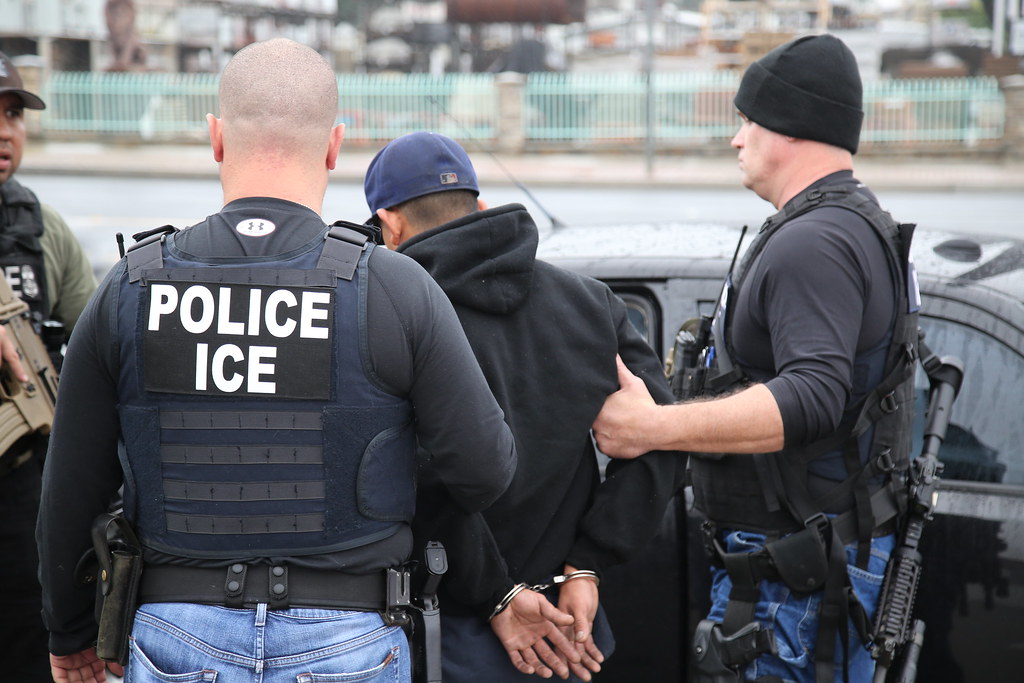
Buffalo's reputation as the "City of Good Neighbors" is being challenged by a significant rise in immigration arrests across Western New York.
Recent operations have led to the apprehension of numerous individuals, many without prior criminal records, highlighting the city's complex role as a border community.
J. Dale Shoemaker, an investigative journalist, noted, "We're a border city; people here go to Canada all the time. Canadians come here. These are our neighbors. This affects us directly."
Policy Shifts and Local Impact
The escalation in arrests can be traced back to policy changes over the past three decades.
From the 1990 Immigration Act under President George H. W. Bush to the 1996 Illegal Immigration Reform and Immigrant Responsibility Act signed by President Bill Clinton, each administration has contributed to the current enforcement landscape.
These policies have resulted in consistently high deportation numbers, affecting communities nationwide.
In Buffalo, the local Immigration and Customs Enforcement (ICE) field office has reported a significant increase in arrests compared to previous years.
Notably, a substantial portion of those detained lack criminal histories beyond their immigration status.
According to Shoemaker, "The administration says they're going after dangerous criminals, but a lot of the people they highlight were already in prison, or they're people just going about their day: roofers, truckers, working people."
Detention Facilities Under Strain
The surge in detentions has placed considerable pressure on local facilities.
The Buffalo Federal Detention Facility in Batavia has frequently operated at or beyond capacity.
Detainees and advocates have reported overcrowded conditions, extended lockdowns, and minimal compensation for labor.
Federal inspections and past lawsuits have highlighted issues such as the heavy use of solitary confinement and inconsistent medical care.
Shoemaker observed, "That place has been full, if not overcrowded, almost constantly. It fills up, they transfer people out, then it fills again. It's a cycle."
Expanded Surveillance and Privacy Concerns
Buffalo's proximity to the Canadian border places it within a federal 100-mile border zone, granting immigration officers expanded authority to stop or question individuals without traditional warrants.
The implementation of facial-recognition systems at bridges, airports, and seaports has further intensified privacy concerns among residents.
Shoemaker emphasized, "People have a right not to be surveilled 24/7. But ICE won't answer basic questions about how this data is used."
Political Response and Community Impact
Political reactions to the increase in immigration enforcement have been varied.
Some officials have called for greater oversight, while others have supported measures to bolster border security.
However, there has been limited political momentum to enact systemic changes.
Immigrants and refugees have played a crucial role in revitalizing Buffalo's population, particularly in neighborhoods like the West Side.
The heightened enforcement has introduced uncertainty and fear into these communities.
Shoemaker reflected, "These people are my neighbors. I go to their businesses. I see them on the street. This affects my neighborhood even if I don't know them personally."
He urged residents to stay informed and recognize the local implications of national immigration policies.
"Pay attention to your community," he advised. "Buffalo is a border city, and this is happening here."
Broader Implications for Democracy
Beyond the immediate effects on individuals and communities, the current approach to immigration enforcement raises questions about democratic principles.
Shoemaker commented, "It says something about how our democracy handles disagreement. For decades, the country hasn't agreed on what to do about immigration. So instead of reform, we just keep throwing the book at it."
This strategy risks normalizing emergency powers and expanding enforcement mechanisms within a democratic framework.
As the numbers of arrests and detentions rise, the issue becomes increasingly tangible, affecting lives in Buffalo's neighborhoods, detention centers, and courtrooms.
Residents are encouraged to engage with the issue, recognizing its presence not as a distant policy debate but as a pressing local concern.
Investigative Post will host a public forum on immigration enforcement at 7 p.m. Wednesday, Nov. 5, at the Unitarian Universalist Church on Elmwood Avenue.
The event will feature Shoemaker and a panel of local advocates, attorneys, and a refugee speaker discussing the impact of current policies in Western New York.
Readers can find Shoemaker's full reporting at InvestigativePost.org. |
0 Comments
Join the conversation
Be the first to comment
Share your thoughts above.