
Buffalo and Lockport Secure Over $13 Million to Replace Lead Service Lines |
State Grants Aim to Enhance Drinking Water Safety in Western New York |
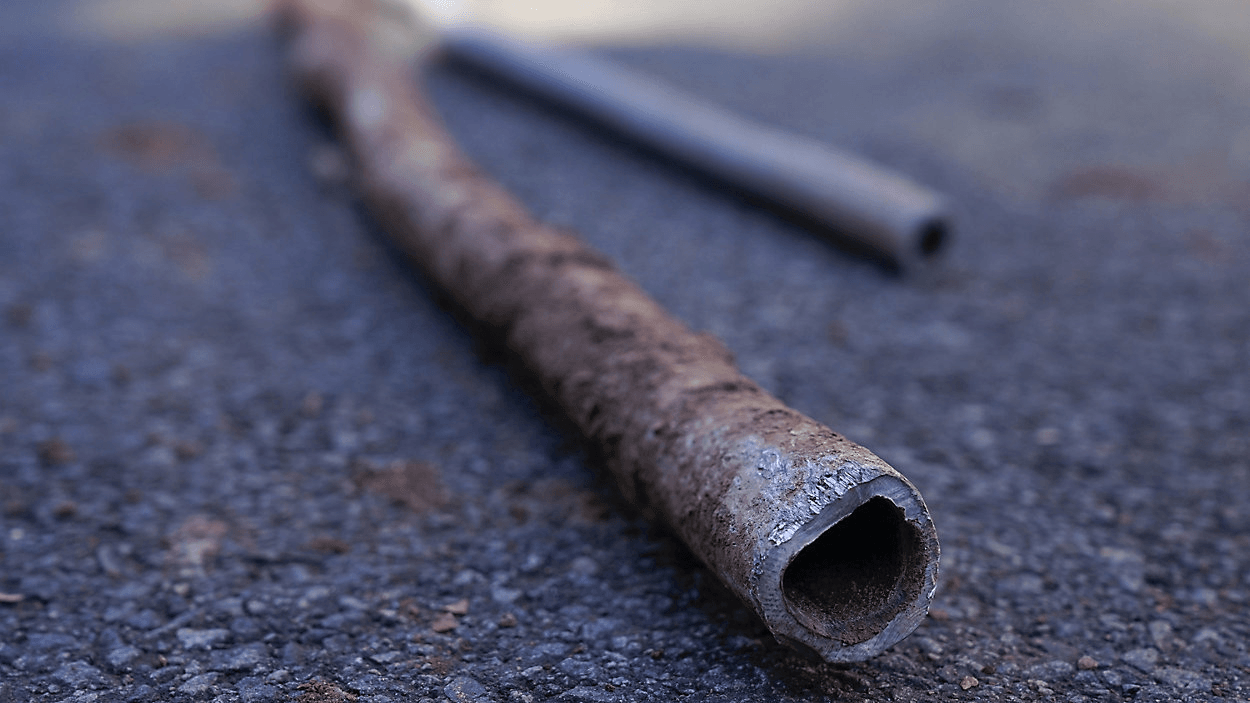
In a significant move to improve drinking water infrastructure, Buffalo and Lockport have been awarded more than $13 million in state grants to replace lead service lines.
This initiative is part of New York's ongoing efforts to ensure clean and safe drinking water for all residents.
Governor Kathy Hochul emphasized the importance of this investment, stating, "Protecting the health and safety of New Yorkers is my number one priority—that's why we're investing in grants across the state so that communities can make the critical improvements they need."
She added, "Every family deserves clean, safe drinking water, and these grants will help us make that goal a reality."
The City of Lockport is set to receive over $10 million, while the City of Buffalo will benefit from more than $3 million in funding.
These funds are designated for the identification and replacement of lead service lines, a crucial step in safeguarding public health.
Other municipalities, including Gloversville, Mohawk Valley Water Authority, New York City (specifically areas in the Bronx and Brooklyn), Oswego, Poughkeepsie, and Rochester, are also slated to receive funding for similar projects.
To date, New York State has allocated $23 million through the Lead Service Line Replacement Program, successfully replacing 3,574 lead service lines across the state.
This latest round of funding underscores the state's commitment to eliminating lead from drinking water systems and protecting the well-being of its residents.
Residents in Buffalo and Lockport are encouraged to stay informed about the progress of these projects and to participate in local initiatives aimed at improving water quality.
Ensuring access to clean and safe drinking water remains a top priority for state and local officials. |
0 Comments
Join the conversation
Be the first to comment
Share your thoughts above.