
Six Western New York hospitals earn C grades in patient safety, others receive top marks |
Hospital safety grades and rankings |
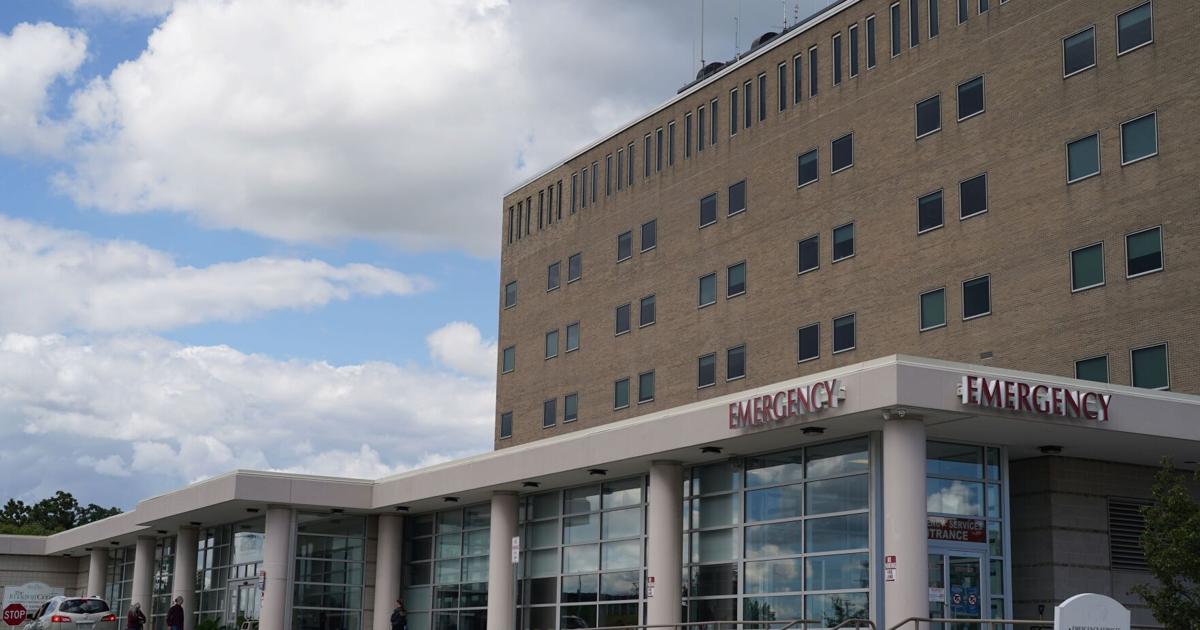
For Western New Yorkers choosing where to seek care, the latest hospital safety grades offer a mixed picture: six area hospitals earned C grades, while two received top marks.
Mount St. Mary’s Hospital in Lewiston and United Memorial Medical Center in Batavia earned A grades in the fall 2025 assessment.
Mount St. Mary’s kept its A for a fifth consecutive grading period, while United Memorial received its second straight A.
Those results stand out in a region where many families have little room for guesswork when a hospital visit becomes necessary.
Hospital safety grades focus on how well facilities protect patients from preventable harm, including medical errors, accidents and infections.
They are released twice yearly, making them a useful snapshot rather than a permanent verdict on a hospital’s care.
Kenmore Mercy Hospital and Mercy Hospital of Buffalo received B grades, leaving the latter one step below the A it earned in spring 2025.
The six hospitals graded C were Bradford Regional Medical Center, Buffalo General Medical Center, Millard Fillmore Suburban Hospital, Olean General Hospital, Sisters of Charity Hospital and UPMC Chautauqua.
For UPMC Chautauqua, the C represented a decline from its spring B, a change patients may notice when comparing hospital safety rankings.
Erie County Medical Center received a D, the lowest grade assigned to a hospital in the area assessment.
Niagara Falls Memorial Medical Center, Brooks Memorial Hospital in Dunkirk and Jones Memorial Hospital in Wellsville did not receive grades.
An absent grade is not the same as a failing grade; some facilities are excluded or lack the information needed for an assessment.
Patient safety ratings also have limits, and a letter cannot capture every difference in services, patient needs or medical complexity.
Still, these hospital safety grades give residents a starting point for asking pointed questions about infection prevention, staffing and how hospitals respond when problems arise.
The strongest takeaway is not panic, but attention: safety deserves a place in the conversation before care becomes urgent. |
0 Comments
Join the conversation
Be the first to comment
Share your thoughts above.